




Flood Insurance · Grand Coteau, Louisiana
Flood coverage your property policy leaves out.
Most property policies do not cover flooding. We write NFIP and private market flood coverage for Louisiana families and businesses.
Most property insurance policies do not cover flooding. A separate flood insurance policy is what protects you from flood damage.
The Flood Insurance Gap
- Most property insurance policies do not cover flooding.
- The National Flood Insurance Program (NFIP) issues flood insurance policies that cover your business or organization.
- A separate flood insurance policy is what protects you from flood damage.
Our Approach
The flood solutions we prepare are built on:
- Comprehensive understanding of the needs and challenges of your business
- Proactive assessments of how your business is evolving
- Commitment to balancing cost-reduction and strategic protection
- Providing unmatched consultations, guidance and service
The Overlooked Risk: Why Your Business Needs Flood Insurance
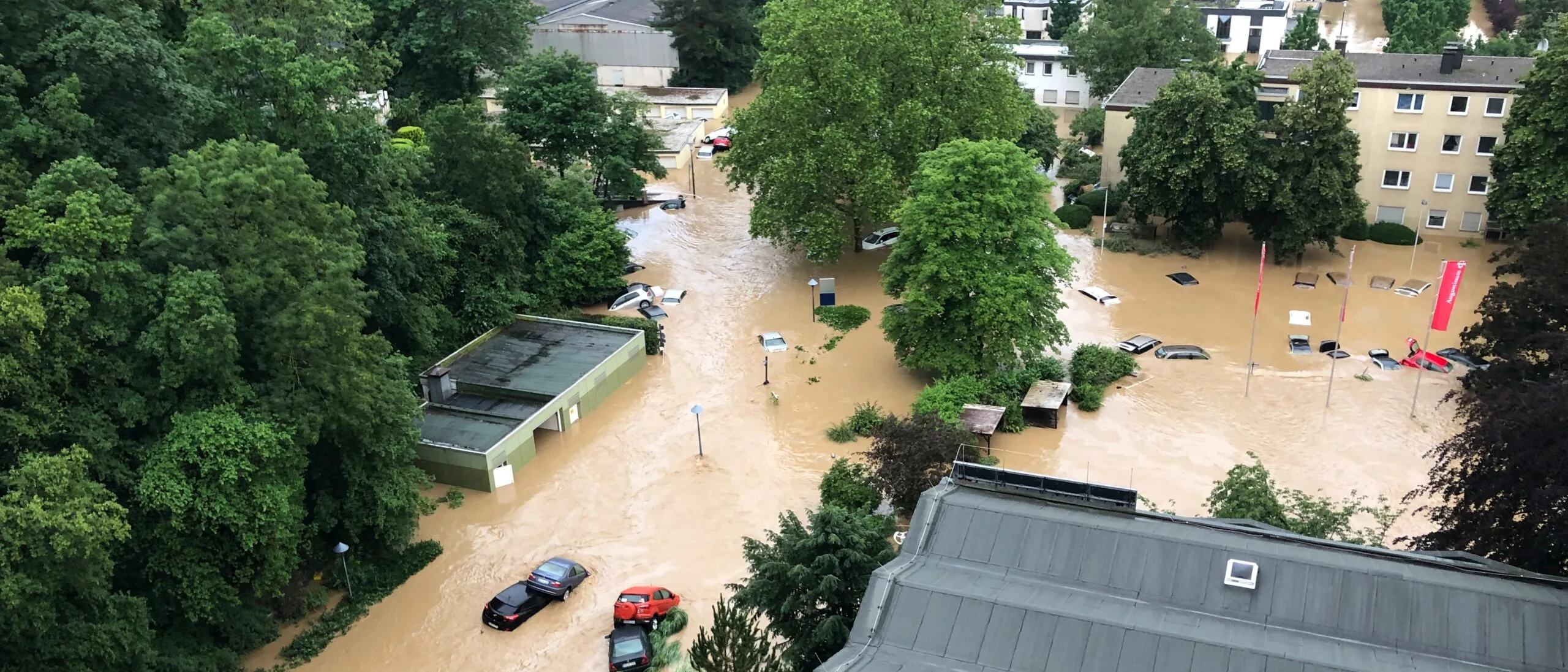
Flooding is a significant and routinely underestimated risk, and it can cripple a business. Many owners are surprised to learn that standard commercial policies rarely cover the damage a flood event causes, including broken pipes, backed-up sewers and other water intrusion. Without proper flood coverage, a business carries the full financial weight of replacing computer servers, cabling and wiring, electronics, office furniture, and physical and digital files that may be irreplaceable.
An uncovered flood is devastating well beyond the cost of replacing property. Recovering data, reconfiguring digital infrastructure and working back to financial stability can take a very long time. That is why we build customized flood insurance around the specific exposure an organization carries.
In Louisiana this is not a hypothetical. Property across Acadiana, St. Landry Parish and Lafayette Parish sits in or near flood-prone ground, and the coverage question is worth answering before the water arrives, not after.
Navigating Flood Insurance: NFIP Risk Rating 2.0 and Private Markets
Flood insurance keeps changing. In October 2021 the National Flood Insurance Program, managed by FEMA, implemented Risk Rating 2.0. This rating system uses advanced technology and current rebuilding cost information to deliver rates intended to be more actuarially sound, more equitable, and easier for property owners to understand.
Understanding how Risk Rating 2.0 affects your premium and your options matters. Our agents work with clients coast to coast to make sure they know what changed, and we will answer your questions about how the updates affect your business flood policy.
Beyond the NFIP, we also offer access to private flood insurance markets. Private carriers use different rating factors than the NFIP, which often opens up more affordable options. We compare private market quotes against NFIP policies to determine whether you qualify for a preferred rate in the private market, so you end up with the right coverage at a competitive cost.
Why Choose Wagley Agency for Your Flood Insurance?
Nationwide flood insurance expertise
As an agency serving the entire USA, we have deep knowledge of flood risks and flood insurance regulations across all states, from coastal flood zones to inland flood plains.
Customized coverage
We do not believe in one-size-fits-all. We assess your business needs and develop a policy that genuinely protects your assets and keeps the business running after a flood.
Dedicated support
We guide you through the quote process, answer your questions, and assist with flood claims if the unexpected happens.
Proactive risk management
We help businesses identify and mitigate flood vulnerabilities, with advice that goes beyond the policy itself.
Expert guidance on Risk Rating 2.0
We simplify FEMA’s rating system so you can make an informed decision about your protection.
Access to NFIP and private markets
Offering both gives you more choices and more potential for savings.
Who This Coverage Is For
Flood is the coverage most often assumed and least often held. If you own the building, the contents, or the income that depends on both, it applies to you.
- Business owners with premises at ground level
- Property owners and landlords
- Manufacturers and warehouses holding stock
- Professional offices with servers and records
- Retailers and restaurants
- Churches and non-profits
- Homeowners, renters and condo owners
- Anyone with a mortgage in a mapped flood zone
We write flood coverage for businesses and property owners in Grand Coteau, Lafayette, Opelousas, Carencro, Sunset, Breaux Bridge, Scott, Youngsville and Broussard and the rest of St. Landry and Lafayette parishes. This is the part of the country where the assumption hurts most. Acadiana has taken repeated flood events well outside mapped high-risk zones, and a substantial share of the properties that flooded were not required to carry the coverage. Being outside a special flood hazard area lowers your premium; it does not lower the water.
What Flood Insurance Actually Pays
Two things are worth understanding before you buy, because they surprise people at claim time.
Building and contents are separate. A flood policy on the structure does not automatically cover what is inside it. For a business that is the whole loss: stock, equipment, servers, records and furnishings. Both parts have to be bought.
There is a waiting period. NFIP policies generally take effect thirty days after purchase. You cannot buy flood coverage when a storm enters the Gulf, which is precisely when everyone tries. The time to place it is now.
Business income is the third piece. Replacing a server is a cost you can measure. Losing eight weeks of trading while the building dries out is usually the larger number, and it needs to be arranged deliberately.
How the Quote Process Works
Flood is rated on the building, so the detail is structural.
- The address. Which determines the flood zone and much of the rating under Risk Rating 2.0.
- Building details. Year built, construction, square footage, number of floors, and whether there is a basement or crawl space.
- Elevation. An elevation certificate where one exists. It is not always required now, but it can still help.
- Values. Building replacement cost and contents value, quoted separately.
- Prior flood losses. Anything on record for the property, including before you owned it.
- Your X-date. The current policy expiry, remembering the thirty-day waiting period on new NFIP cover.
We compare the NFIP against the private flood market on every submission, because the private carriers rate differently and often come in lower. Call (337) 345-4410 or use the quote form.
Why Wagley for Flood Insurance
We quote the NFIP and the private flood market side by side on every submission, rather than defaulting to whichever is easier to bind. Private carriers use different rating factors and frequently beat the NFIP, and on some properties they will offer higher limits and business income cover the NFIP simply does not write.
We also live here. Our office is in Grand Coteau, and the flooding across Acadiana is not an abstraction to this agency. We will tell you plainly whether the coverage is worth it for your address, including when the answer is that your risk is genuinely low.
- NFIP and private market quoted side by side, every time
- Building and contents priced separately, so neither is assumed
- Risk Rating 2.0 explained in terms of what it does to your premium
- The thirty-day waiting period flagged early, because it cannot be shortened
Talk to an Agent
We write flood coverage for businesses and property owners in Grand Coteau, Lafayette, Opelousas, Carencro, Sunset, Breaux Bridge, Scott, Youngsville and Broussard and the rest of St. Landry and Lafayette parishes, and and the wider Acadiana region.
Flood is written separately from your business and commercial property policy, and separately from a business and commercial program. Homeowners should see personal insurance, which also includes flood.
Helpful Resources
Official sources, straight from the regulators and agencies that set the rules for this coverage. They open in a new tab.
-
Louisiana Department of Insurance, Consumers
The state regulator: file a complaint, check a licence, read the consumer guides.
-
FEMA, Flood Insurance
How the National Flood Insurance Program works, and what it does and does not pay.
-
FloodSmart, the NFIP
Flood maps, cost-of-flooding tools and the official NFIP consumer site.
Frequently Asked Questions
The questions we field most often, answered the way we would answer them on the phone. If yours is not here, call (337) 345-4410 and ask.
Does my business property policy cover flooding?
Almost certainly not. Most property insurance policies do not cover flooding, and standard commercial policies rarely cover the damage a flood causes. Flood requires a separate policy.
What is NFIP Risk Rating 2.0?
It is the flood risk rating system FEMA implemented for the National Flood Insurance Program in October 2021. It uses advanced technology and current rebuilding cost information to produce rates intended to be more actuarially sound, equitable and understandable.
Is private flood insurance cheaper than the NFIP?
Sometimes. Private carriers rate flood differently than the NFIP, which can lead to more affordable options. We compare private market quotes against NFIP policies to see whether you qualify for a preferred private rate.
What does flood damage actually cost a business?
Beyond the building, it means replacing computer servers, cabling and wiring, electronics, office furniture, and physical and digital files, then recovering data and reconfiguring digital infrastructure. The recovery usually costs far more than the property replacement alone.
Do I need flood insurance if I am not in a mapped flood zone?
It is worth pricing. We work across coastal flood zones and inland flood plains, and we help identify vulnerabilities that a flood map alone will not show you.
Will you help if I have to file a flood claim?
Yes. We guide you through the quote process and assist with flood claims should the unexpected occur.