





Personal Insurance · Grand Coteau, Louisiana
Coverage for your home, your cars, your family.
Fourteen categories of personal coverage for Louisiana families, from home and auto to boats, RVs, farms and the umbrella that sits over all of it.
Personal insurance is not one policy. It is a set of them, and almost all of the value comes from having them written by one agency that can see how they fit together — whether the umbrella actually sits above your auto limits, whether the boat and the side-by-side are covered anywhere, and whether the jewelry is scheduled or sitting under a sub-limit you have never read.
What Makes This Different in Louisiana
Four things shape almost every personal policy written in this state, and they are the four things a quote comparison site will not raise with you.
Wind and named storms. Since 2020 and 2021, carriers writing property here have re-priced hurricane risk, tightened roof age requirements and moved almost universally to a percentage-based named-storm deductible. The headline premium is only half the story; the deductible structure underneath it is the other half, and it is the half that decides what a storm actually costs you.
Flood zones. Louisiana has more property inside and adjacent to special flood hazard areas than almost anywhere in the country, and a very large share of flood claims come from properties outside the mapped high-risk zone. Under FEMA’s Risk Rating 2.0 methodology, the price now reflects your specific property’s characteristics rather than the zone line alone, which means the old habit of checking the map and moving on no longer answers the question.
Auto liability minimums. The state floor is 15/30/25, and it has been overtaken by the cost of a real claim. Combined with one of the highest uninsured driver rates in the country, that makes uninsured and underinsured motorist coverage the single most consequential line on a Louisiana auto policy, and it is the one most often signed away.
The umbrella. Louisiana is a jury-verdict state with a long history of large personal injury awards. An umbrella is inexpensive precisely because a catastrophic claim is unlikely, and it is the coverage that decides whether such a claim reaches your house and your savings.
Home and Property
Everything built on a foundation: the house you live in, the one you rent out, the one on a lot in a park, and the water that no property policy in this state covers on its own.
Home
A homeowners policy is four promises in one document: it rebuilds the structure, replaces the contents, defends you when someone is hurt on the property, and pays for somewhere to live while the work is done. Where Louisiana policies go wrong is almost never the first promise. It is the deductible structure underneath it.
Most policies written here now carry a separate, percentage-based named-storm or hurricane deductible: 2% or 5% of the dwelling limit rather than a flat $1,000. On a home insured for $350,000, a 5% named-storm deductible is $17,500 out of pocket before the carrier pays a dollar. That number is worth knowing before the storm, not after it.
- Replacement cost on the dwelling, priced against current Louisiana construction costs rather than market value
- Personal property, including the contents of a shed, barn or detached outbuilding
- Personal liability, and medical payments for a guest injured on the property
- Additional living expenses while the house is uninhabitable
- Scheduled items: jewelry, guns, silverware and furs, listed individually
- A separate named-storm or hurricane deductible, which we will read to you in plain numbers
Home has a page of its own: see home insurance.
Condo
Condo owners are covered by two documents working together: the master policy the association carries on the building, and your own HO-6 policy on everything inside your walls. The gap between them is where the argument happens after a loss.
Bare-walls master policies leave you responsible for cabinets, flooring, fixtures and built-ins. All-in master policies do not. We read the association’s declarations before setting your dwelling limit, and we add loss assessment coverage so that a special assessment levied on every unit owner after a hurricane does not land on you alone.
- Your own HO-6 policy on interior finishes, contents and liability
- The association master policy, read rather than assumed
- Loss assessment coverage for post-storm special assessments
Landlord and Dwelling Fire
The day a house stops being your residence and starts being a rental, the homeowners policy on it is the wrong form and may not respond at all. A dwelling fire policy, sometimes called a landlord policy, is what a leased residence needs.
It protects the structure and the other permanent buildings on the lot, and it carries liability for you as an owner rather than as an occupant. It also adds the coverage a homeowners form has no reason to include: fair rental value, which pays the rent you stop collecting while the property is being repaired.
- The dwelling and other permanent structures on the lot
- Landlord liability, which is a different exposure to occupant liability
- Fair rental value while the unit is uninhabitable
- Contents you own in the property, such as appliances
Short Term Rental
Letting the house, the camp or the garage apartment on AirBNB or VRBO is commercial use of a residence, and a homeowners policy typically excludes it outright. Louisiana sees a very specific version of this: houses that let for eleven months of the year and then fill at four times the rate for Festival International, Mardi Gras or a home game weekend.
Short-term rental coverage protects the property and, more importantly, the liability exposure. If a paying guest is injured on your stairs and sues, the liability section of a short-term rental policy is what answers. The homeowners policy underneath it will point at the business-pursuits exclusion and decline.
- Property damage caused by paying guests
- Liability when a paying guest is injured on the premises
- Lost rental income after a covered loss
Renters
Your landlord’s policy covers the building. It covers nothing of yours, and it does not defend you if a visitor is hurt inside the unit or if a fire that starts in your kitchen spreads to your neighbour’s. Renters insurance is the least expensive policy we write and the one most often skipped.
- Personal possessions, including electronics, furniture and clothing
- Liability protection and legal defense costs
- Additional living expenses if the unit becomes uninhabitable
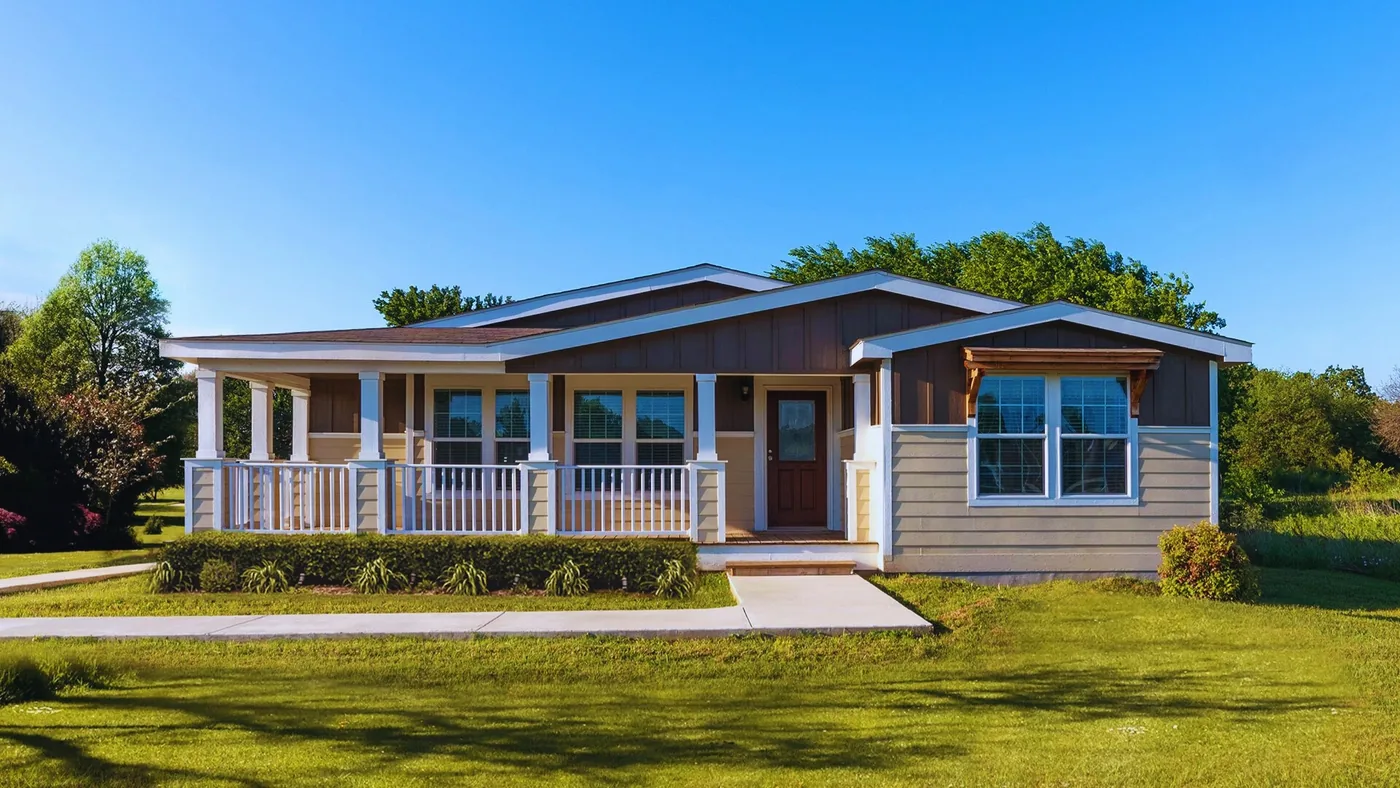
Mobile and Manufactured Home
Manufactured homes are rated and underwritten on their own forms, not as a variant of a site-built house. Tie-downs, anchoring, the age of the unit and whether it sits in a park or on land you own all move the price and, in a hard market, the availability.
We write rental, commercial, seasonal, and park or private-property units, and we place them with carriers who actually want the class rather than tolerate it.
- Replacement cost or actual cash value, depending on the unit and the carrier
- Personal property and liability
- Additional living expenses
- Scheduled items such as jewelry, guns, silverware and furs
Flood
No homeowners, renters, condo, landlord, mobile home or business policy in Louisiana covers rising water. Flood is always a separate policy, either through the federal National Flood Insurance Program or through the private market, and in a great many cases the private market now prices better.
Being outside a mapped high-risk zone is not the argument people think it is. A substantial share of NFIP claims come from properties outside the special flood hazard area, which is exactly the property whose owner was never required to carry it. In Acadiana, where a slow-moving rain event can put water in a house that has never flooded, an X-zone preferred risk policy is one of the cheapest pieces of protection on the list.
- NFIP and private market options, compared side by side
- Building and contents written separately, because they are separate limits
- Risk Rating 2.0 guidance, including what actually drives your price now
- The 30-day NFIP waiting period, which is why this is not a storm-week decision
Full detail on our flood insurance page.
Vehicles and Recreation
Life here comes with more toys and more water than the average rating territory expects. Boats, camps, side-by-sides, hunting leases and RVs are normal, and none of them belong on a homeowners policy by default.
Automobile and Vehicle
Louisiana’s statutory minimum liability limit is 15/30/25: $15,000 for bodily injury to one person, $30,000 for all people in one accident, and $25,000 for property damage. Those numbers have not moved in years, and they do not survive contact with a modern claim. A single overnight hospital stay clears $15,000, and $25,000 no longer replaces the truck you hit.
The second thing that matters here is uninsured and underinsured motorist coverage. Louisiana consistently ranks among the states with the highest share of uninsured drivers. UM is the coverage that pays your injuries when the person who hit you cannot, and it is the coverage most commonly rejected on a form the buyer did not read.
- Bodily injury and property damage liability, written above the state minimum
- Uninsured and underinsured motorist coverage, and what rejecting it actually means
- Collision and comprehensive, with optional diminishing deductibles
- Medical payments, roadside assistance and rental reimbursement
- GAP insurance, accident and minor violation forgiveness
- Coverage for rideshare driving on Uber and Lyft, and for customized vehicles
- Mexican auto insurance for travel across the border
Auto has a page of its own: see auto insurance.
Classic and Antique Car
A standard auto policy pays actual cash value, which means depreciation, which is the wrong answer for a car that has been appreciating for thirty years. Collector policies are written on an agreed-value basis: you and the carrier settle the number when the policy is issued, and that is the number paid at a total loss.
They also cost less than people expect, because they are rated on limited use and secure storage rather than on a daily commute.
- Agreed value rather than actual cash value
- Antique and classic cars, hotrods and modified vehicles
- Exotic and luxury vehicles, muscle cars and classic trucks
- Vintage military vehicles
Boat and Personal Watercraft
South Louisiana has a boat behind a very large number of houses, and the homeowners policy that covers it while it sits on the trailer often stops at the boat launch. A watercraft policy covers hull damage, liability on the water, wreck removal and the fuel spill liability that surprises owners after a sinking.
We write the whole range, and we pay attention to the navigational limits: a policy written for inland lakes and one written for the Gulf are not the same document.
- Bass boats, aluminium fishing boats, pontoons and runabouts
- Sailboats, catamarans, air boats and utility boats
- Homemade boats, jet-skis and wave runners
- Hull, liability, wreck removal and fuel spill liability
- Navigational limits read out loud before you sign
RV, Motorhome and Travel Trailer
An RV is a vehicle when it is moving and a dwelling when it is parked, and it needs a policy that understands both. Vacation liability is the piece people miss: coverage for injuries that happen while the unit is set up on a site and being lived in, which no auto policy contemplates.
- Collision, comprehensive and liability on the road
- Vacation liability while parked and occupied on-site
- Personal effects and attached accessories such as awnings
- Emergency expense when a breakdown leaves you away from home
ATV and Motorcycle
A side-by-side on a hunting lease and a motorcycle on the highway are different risks, and neither is reliably covered by the homeowners policy people assume covers them. Off-premises use is where the assumption breaks: the moment the machine leaves your land, most homeowners forms stop looking at it.
- Bodily injury and property damage liability
- Collision and comprehensive on the machine itself
- Medical payments for the rider
- Accessories, and trailers used to move the machine
Land, Livestock and the Layer Above Everything
The two categories that most often sit outside a household’s policy set, and most often should not.
Farm and Ranch
A working property is a home, a business and a fleet at the same time, and splitting it across three unrelated policies is how gaps appear. A farm owners programme puts the dwelling, the barns and outbuildings, the equipment and the farm auto exposure on one set of declarations, with liability that contemplates livestock and machinery.
St. Landry Parish runs cane, rice, crawfish and cattle within a few miles of each other, and the equipment on those operations is worth more than the trucks that pull it. Scheduled equipment, written at real values, is where most of these accounts are won or lost.
- Farm owners policy covering the dwelling and farm structures
- Scheduled farm equipment and machinery
- Farm auto, including trucks and trailers used in the operation
- Farm liability, including livestock and visitor exposure
Umbrella
An umbrella sits on top of your auto, home and, where relevant, boat and landlord liability, and it takes over the moment those underlying limits are exhausted. It is the least expensive coverage per dollar of protection that we sell, and it is the one that decides whether a serious at-fault accident is an insurance event or a personal financial event.
The arithmetic is straightforward. If you carry $250,000 of auto liability and cause a collision that produces a $1.2 million judgment, the difference is not the carrier’s problem. A $1 million umbrella closes that gap for a premium most households would not notice, and it usually forces a useful conversation about whether the underlying limits were ever high enough.
- Liability above the limits on your auto, home, boat and landlord policies
- Legal defense costs, frequently outside the limit rather than inside it
- Required underlying limits, which we set up before the umbrella is written
- Coverage for household members, including teenage drivers
Which Policy Answers What
The same table we draw on a legal pad in the office. Read the middle column as what the policy is for, and the third as the reason people end up with a second policy beside it.
| Policy | What it covers | What it does not | Who needs it |
|---|---|---|---|
| Homeowners | The house, its contents and your liability as an occupant | Rising water, business use, a vehicle, anything you rent out | Every owner-occupier |
| Renters | Your possessions and your liability inside a unit you do not own | The building itself, which is the landlord’s policy | Every tenant |
| Condo (HO-6) | Interior finishes, contents, liability and loss assessment | The structure, which the association master policy carries | Every condo owner |
| Landlord / dwelling fire | The rented structure, owner liability and lost rent | The tenant’s possessions, and short-term letting | Anyone leasing property out |
| Flood | Rising water, on a separate building and contents limit | Wind-driven rain, which is the homeowners policy’s job | Every property in Louisiana |
| Auto | Liability, UM, collision and comprehensive on the vehicle | Rideshare or delivery use unless it is endorsed on | Every driver |
| Umbrella | Liability above every underlying policy you hold | Property damage to your own things | Anyone with assets or a teenage driver |
Three Gaps We Find Most Often
Scheduled items. Jewelry, guns, silverware and furs sit under a low category sub-limit on a standard homeowners policy, often a few thousand dollars in total regardless of what you own. Scheduling them individually is the only way they are genuinely covered, it usually removes the deductible on those items, and it costs less than people expect.
Rideshare and short-term rental. Driving for Uber or Lyft, or letting the house on AirBNB, is commercial use. A personal auto or homeowners policy typically excludes it outright. Both are cheap to add and expensive to discover after a claim.
Umbrella limits. Auto liability limits set years ago no longer reflect what a serious injury claim costs in this state. An umbrella sits above your auto and home liability and is the least expensive coverage available per dollar of protection.
Why an Independent Agency Matters Here
Personal lines in Louisiana have been genuinely difficult. Carriers have left the state, non-renewed policies, tightened roof requirements and raised wind deductibles. A captive agent can only tell you what their one carrier will do about that.
We market the account across carriers, which on a home or auto policy in this state is often the difference between a workable premium and a non-renewal letter. We can also place the pieces sensibly: the boat with a carrier that wants boats, the classic car on an agreed-value form, the manufactured home with a company that writes the class deliberately, and the flood separately, rather than forcing everything into one company because that is who we represent.
It matters at renewal too. Roofs age, teenagers start driving, a camp gets bought and a house gets rented out. We re-market when the household has outgrown the carrier rather than letting the renewal quietly repeat.
The carriers we place personal lines with
- Accentus Insurance Group
- Allstate
- American Collectors Insurance
- Assurant
- CRC / RLI
- Foremost Insurance
- GEICO
- Gulf States Insurance
- Hagerty Insurance
- Liberty Mutual
- Louisiana Citizens Property Insurance
- National General Insurance
- Progressive
- Safeco
- SageSure Insurance Managers
- Tower Hill Insurance
- US Assure / Zurich Builders Risk
- Wright National Flood Insurance Company
Appetite moves. A carrier that wanted your roof last year may not want it this year, and one that declined the house may be the right home for the boat. The list is where we start, not where we finish.
Personal lines carriers we represent
As an independent agency we place your home, auto and personal coverage with the carrier whose appetite fits your risk.


How the Quote Process Works
Personal quotes move quickly. Having these to hand turns a week into an afternoon.
- The home. Address, year built, square footage, construction, roof age and type, and any recent updates to wiring, plumbing or HVAC.
- The vehicles. Year, make, model and VIN, plus drivers and their licence history.
- The toys. Boats, ATVs, motorcycles, RVs and trailers, with values.
- Scheduled items. Anything valuable enough to list individually, with appraisals where you have them.
- Current coverage. Your declarations pages, so we can compare like for like rather than guess.
- Your X-date. When the current policies expire.
Why Wagley for Personal Insurance
We look at the whole picture rather than quoting one policy at a time. That means checking whether your umbrella actually sits above your auto limits, whether the boat and the side-by-side are covered anywhere, and whether the jewelry is scheduled or sitting under a sub-limit you have never read.
Our agents live and work in the same parishes you do. When a claim happens you are talking to someone in Grand Coteau who knows the adjusters, not a queue.
- Home, auto, toys and umbrella reviewed together rather than one at a time
- Scheduled items written properly instead of left under a sub-limit
- Rideshare and short-term rental use covered rather than quietly excluded
- Named-storm deductibles read out in dollars before you sign
- Flood quoted separately, because no homeowners policy includes it
Talk to an Agent
We write personal insurance for families in Grand Coteau, Lafayette, Opelousas, Carencro, Sunset, Breaux Bridge, Scott, Youngsville and Broussard and across St. Landry and Lafayette parishes.
If you also own a business, we write business and commercial and workers compensation beside the household policies. Firearm collectors and anyone in the outdoor trades should also see firearms and outdoor insurance, which covers scheduled and unscheduled firearms at fair market value.
Helpful Resources
Official sources, straight from the regulators and agencies that set the rules for this coverage. They open in a new tab.
-
Louisiana Department of Insurance, Consumers
The state regulator’s consumer hub: guides, complaint routes and licence checks.
-
LDI, Homeowners Insurance
The department’s own guidance on homeowners policies, deductibles and the Louisiana market.
-
LDI, Auto Insurance Resources
State auto requirements, uninsured motorist coverage and how rates are set.
-
LDI, Flood Insurance
Why flood is separate, what the NFIP covers, and the waiting period.
-
LDI, Wind Mitigation Incentives
The premium discounts Louisiana requires carriers to offer for mitigated roofs.
-
LDI, File a Complaint
The official route if a carrier or a claim is not being handled properly.
-
FloodSmart, the NFIP
The official National Flood Insurance Program site.
-
Louisiana Office of Motor Vehicles
Registration, proof of insurance and the state’s minimum liability rules.
Frequently Asked Questions
The questions we field most often, answered the way we would answer them on the phone. If yours is not here, call (337) 345-4410 and ask.
Does homeowners insurance cover flood damage in Louisiana?
No, and no homeowners policy anywhere does. Flood is always a separate policy, written either through the federal National Flood Insurance Program or through the private market. Renters, condo, landlord, mobile home and business policies are the same: they exclude rising water. Being outside a mapped high-risk flood zone does not change that; it only changes the price, and a preferred risk policy in an X zone is inexpensive. There is normally a 30-day waiting period on a new NFIP policy, so it is not a decision that can be made in storm week. See our flood insurance page.
What is a named-storm or hurricane deductible, and how much is mine?
It is a separate, higher deductible that applies only to damage from a named tropical system, and it is written as a percentage of your dwelling limit rather than a flat dollar amount. Two per cent and five per cent are both common in Louisiana. On a home insured for $350,000, a five per cent named-storm deductible means the first $17,500 of a hurricane claim is yours. It sits on your declarations page and we will read it to you before you buy, because it is the number that surprises people after a storm.
Is Louisiana’s minimum auto liability limit enough?
The state minimum is 15/30/25: $15,000 of bodily injury liability per person, $30,000 per accident and $25,000 of property damage. It is the legal floor, not a plan. One overnight hospital admission can exceed $15,000, and $25,000 does not replace a late-model truck. Anything above the minimum costs less than most people assume, and it is the first thing we look at on a personal auto review. See our auto insurance page.
What is uninsured motorist coverage and should I reject it?
Uninsured and underinsured motorist coverage pays for your injuries when the driver who hit you has no insurance or not enough of it. Louisiana has one of the highest uninsured driver rates in the country, which makes UM one of the most useful coverages on a Louisiana auto policy. Rejecting it requires a signed form, and a great many people have signed one without understanding what they gave up. We will tell you plainly what it costs to put it back.
What does an umbrella policy add, and how much does it cost?
It adds liability limits above your auto, home, boat and landlord policies, and it takes over once those underlying limits are used up. It is the cheapest coverage per dollar of protection we write, because catastrophic liability claims are rare and enormous. If you own a home, have a teenage driver, keep a boat or rent property out, it is worth pricing. Carriers require certain underlying limits before they will issue one, and we set those up as part of the same review.
What are scheduled items, and why does it matter?
Scheduled items are high-value possessions listed individually on the policy, with an agreed value each: jewelry, guns, silverware and furs. Left unscheduled, they fall under a category sub-limit that is often a few thousand dollars in total, regardless of what you actually own. Scheduling them normally removes the deductible on those items too, and it costs far less than most people expect.
Am I covered if I drive for Uber or Lyft, or let my house on AirBNB?
Not by default, and in both cases the policy is explicit about it. A personal auto policy generally excludes livery and rideshare use, and a homeowners policy generally excludes business pursuits including short-term letting. Both are inexpensive to endorse on or to write separately. Both are expensive to discover during a claim, which is when the exclusion is usually read for the first time.
Why are Louisiana home insurance rates and availability so difficult right now?
Repeated hurricane seasons pushed several carriers out of the state and put others into insolvency, which tightened underwriting for everyone left: older roofs are declined, wind deductibles are higher, and non-renewals are common. That is precisely the market in which an independent agency earns its keep, because we can market the account across carriers rather than accepting one company’s answer. The Louisiana Department of Insurance publishes consumer guidance on the same subject, and we link to it below.