

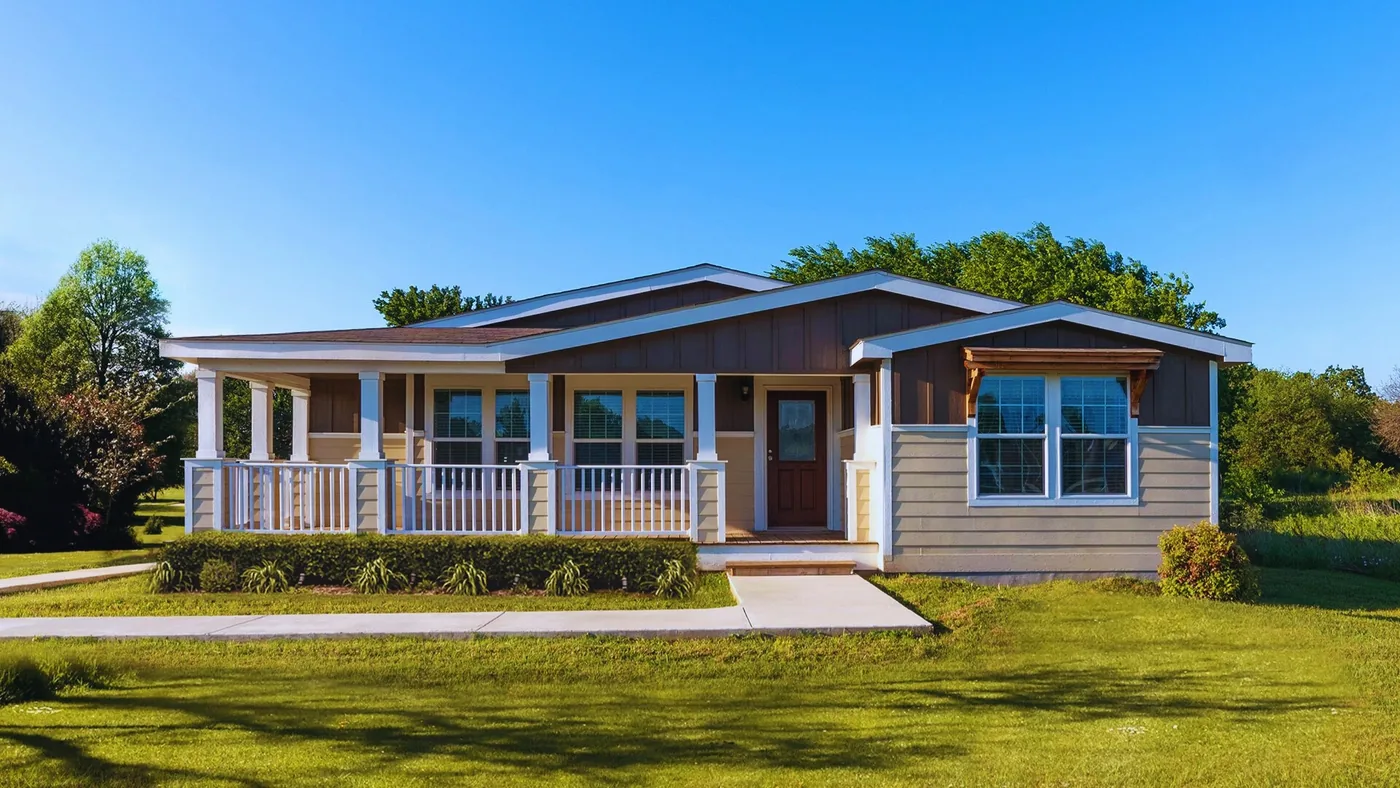



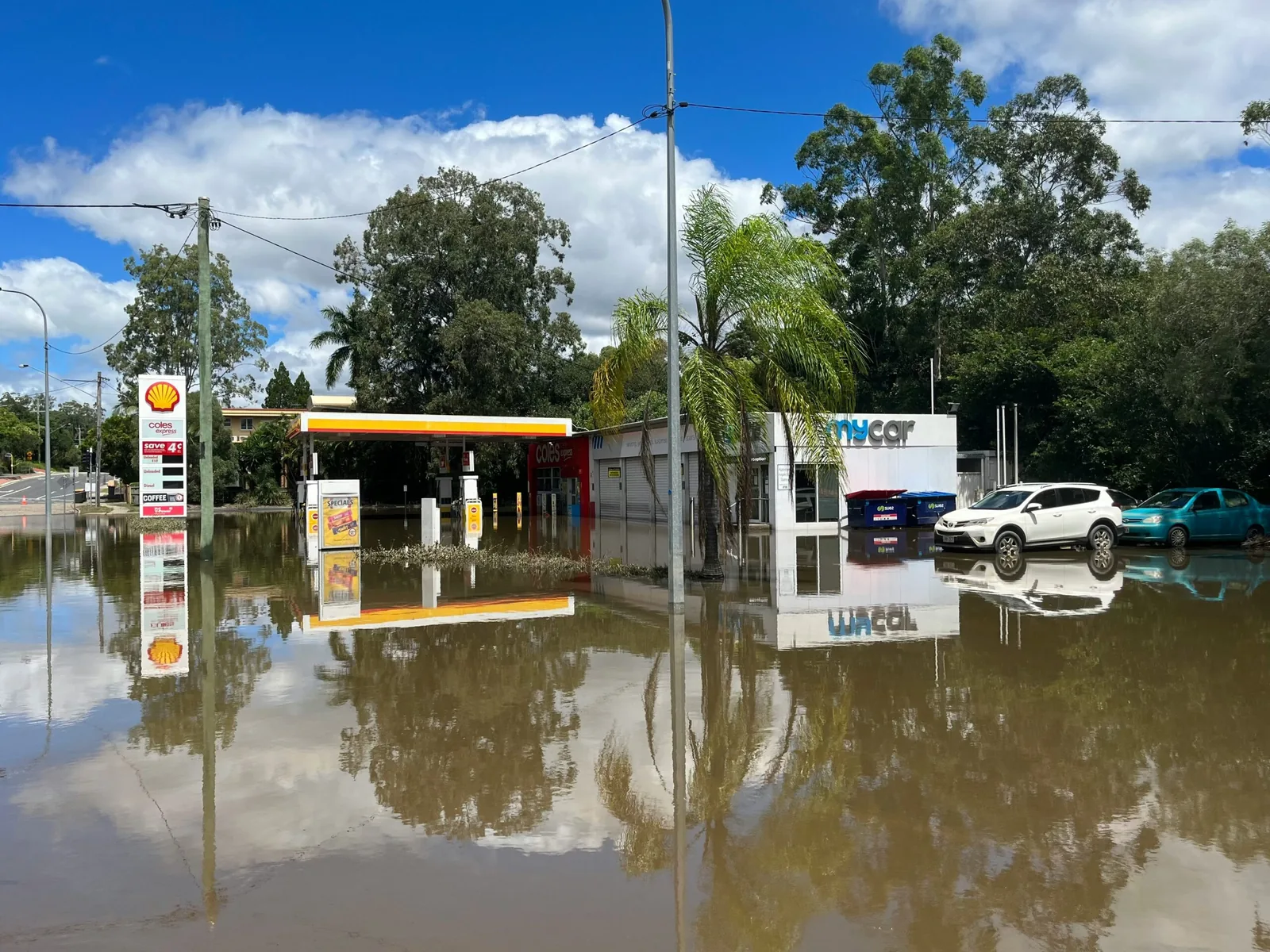
Two things are true about flood insurance in Acadiana at the same time. It is the coverage most likely to be needed and the coverage most likely to be missing, and the reason is almost always the same sentence: we are not in a flood zone.
That sentence has never meant what people think it means, and since 2021 it has meant even less.
No property policy covers flood. None of them.
Start here, because everything else follows from it. Homeowners, renters, condo, landlord, mobile home and commercial property policies all exclude flood, which the National Flood Insurance Program defines as a general and temporary condition of partial or complete inundation of normally dry land. Rising water, in ordinary language.
Wind-driven rain coming through a hole the storm made in your roof is a wind claim on your homeowners policy. Water that comes across the yard and under the door is a flood claim, and it needs a flood policy. After a hurricane both can happen to the same house on the same night, which is exactly why the two-policy structure catches people out.
The flood zone is not the risk
FEMA's flood maps divide land into zones. High-risk zones begin with A or V and are called Special Flood Hazard Areas; if you have a federally backed mortgage on a property in one, flood insurance is mandatory. Everything else — the X zones — is described as moderate or low risk, and that phrasing does a great deal of damage.
Nationally, a substantial share of NFIP claims come from properties outside the high-risk zones. In south Louisiana the reasons are easy to list. Flood maps are periodically updated and can lag the ground. Drainage capacity changes as land is developed upstream. And a slow-moving rain event that drops twenty inches over two days does not consult the map at all. Acadiana has watched houses that had never taken water take water.
The practical translation: being in an X zone is a reason flood insurance is cheap, not a reason to skip it. A Preferred Risk Policy for an X-zone property is one of the least expensive pieces of protection on a household's list.
You can look up your own property's current mapped zone free at FEMA's Flood Map Service Center.
What Risk Rating 2.0 changed
Until October 2021 the NFIP priced almost entirely off the flood zone and the elevation certificate. Risk Rating 2.0, FEMA's current methodology, prices off the individual property instead. The inputs now include distance to a water source, the type of flooding the property is exposed to, ground elevation, the cost to rebuild that specific structure, and the foundation type.
Three consequences matter to a household in Acadiana:
- Two houses on the same street can price very differently, because one sits eighteen inches higher or is a slab rather than a pier-and-beam.
- Rebuilding cost is now a driver. A larger or more expensive home costs more to insure against flood than it used to relative to a smaller one nearby.
- The elevation certificate is no longer required for NFIP rating, though it can still help, and it is still commonly requested by private carriers.
Statutory caps limit how fast an existing NFIP premium can rise year to year, so properties moving toward a higher full-risk rate get there in annual steps rather than in one jump. That is why some households have seen the same policy increase every renewal for several years running.
FEMA's own explanation of the methodology is at floodsmart.gov.
NFIP and private flood, compared honestly
For most of the programme's life the NFIP was effectively the only option. It is not any more, and in a good number of Acadiana cases the private market now prices better. They are genuinely different products.
Coverage limits
NFIP residential coverage caps at $250,000 on the building and $100,000 on contents, and those are separate limits you buy separately. On a home that costs more than $250,000 to rebuild, the NFIP structurally cannot cover the whole exposure. Private policies commonly write higher limits, which is often the reason to look at them at all.
Additional living expenses
This is the difference people are most surprised by. An NFIP policy does not pay for somewhere to live while your flooded house is repaired. Many private flood policies do. If your house floods, that is weeks or months of rent.
Waiting period
A new NFIP policy generally takes effect 30 days after purchase. There are narrow exceptions, chiefly a policy bought in connection with a loan closing, and a shorter window tied to a map revision. Private carriers set their own waiting periods, sometimes shorter, sometimes comparable.
Either way, the operative fact is the same: flood is not a storm-week purchase. When a system is in the Gulf it is already too late.
Basement and below-grade coverage
The NFIP is restrictive about what it pays for below the lowest elevated floor, which in Louisiana matters most for pier-and-beam houses and for anything stored underneath.
Stability
The NFIP does not non-renew a property for having claims. Private carriers can and sometimes do, which is a real consideration for a property with a loss history. There is also no guarantee a private carrier stays in the state; several have entered and left the Louisiana market. Moving off the NFIP is worth doing with open eyes.
Building and contents are separate decisions
Whichever market you use, flood coverage is written as two limits. Building covers the structure, the systems, built-in appliances and permanently installed fixtures. Contents covers what you would take with you.
Renters need contents-only coverage, and it is inexpensive. Landlords need building coverage on a property their tenant's policy will never protect. Both get skipped constantly.
Practical steps for an Acadiana household
- Look up the current mapped zone for your address at the FEMA map centre, then treat the answer as pricing information rather than a decision.
- Ask for both quotes. An NFIP quote and at least one private quote, priced against the same building and contents limits, is the only way to know which is better for your specific property under Risk Rating 2.0.
- Compare the whole policy, not the premium. Limits, additional living expenses, contents treatment, the deductible and the waiting period.
- Buy it out of season. Thirty days is thirty days.
- Keep an elevation certificate if you have one. It is no longer required for NFIP rating but private carriers still ask, and it costs money to produce from scratch.
- Photograph the contents once a year and store it off-site. A contents claim is a list, and the list is much easier with pictures.
The short version
Flood is the one coverage in Louisiana where the common-sense answer — we are not in a flood zone, so we do not need it — is reliably the wrong one. Being outside the mapped high-risk area changes the price by a large factor and the need by very little.
Our flood insurance page covers both markets and the Risk Rating 2.0 detail in more depth, and home insurance explains what the policy beside it does and does not answer. When you want numbers rather than explanation, request a quote and ask for both markets side by side.